Every crypto gateway promises fast, low-cost payments, and on a landing page they all look alike. The differences show up later: a payout that arrives two days late, a fee you didn’t see coming, a checkout that confuses customers. Choosing well means knowing what to test before you commit, and a platform like ULXPay is a good reference point for what a secure, private and straightforward crypto gateway should offer. This guide focuses on the questions that separate a dependable gateway from a merely convincing one.
What a Crypto Gateway Does
A crypto gateway is the layer between your customer’s wallet and your business. It creates the payment request, watches the blockchain for the transaction, confirms it and then tells your store or app that the order is paid. Many gateways also convert incoming crypto into the currency you prefer, so price swings stay out of your accounts. Without one, you would be matching wallet transactions to orders by hand, which stops being practical after the first few dozen sales.
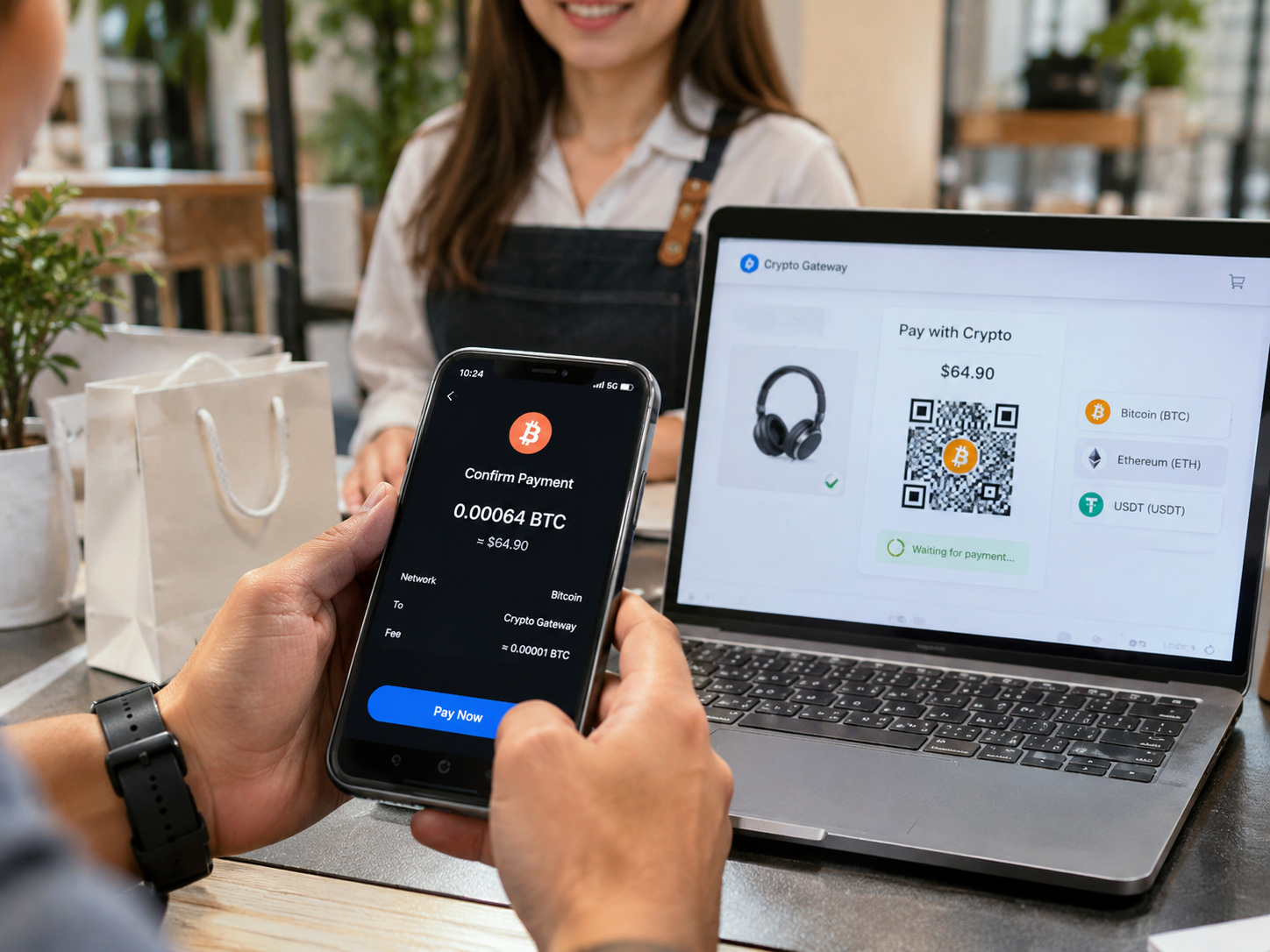
Crypto Gateway Features That Matter
Start with the coins and networks your customers actually use. Bitcoin, Ethereum and USDT cover most demand, but the network matters as much as the coin, since the same stablecoin can run on chains with very different speeds and costs. Beyond that, look for automatic payment matching, handling of underpayments and overpayments, invoice links, and reporting that your accountant can use. A long list of supported tokens is less valuable than a small list that works smoothly.
Crypto Gateway Fees and Settlement
Headline rates rarely tell the full story. Ask about network fees, conversion spreads, withdrawal charges and minimum amounts, then add them up for a typical month of sales. Settlement deserves the same scrutiny: find out how quickly funds reach you and whether they go to a wallet, an exchange or a bank account. A gateway that charges slightly more but pays out the same day can easily beat a cheaper one that holds your money for a week.
Crypto Gateway Security and Trust
Your gateway sees payment data and customer details, so security is a baseline, not a bonus. Look for two-factor authentication, permission levels for team members, clear activity logs and a track record you can verify. Privacy counts too, because business and customer information should stay protected at every step. A gateway that treats secure and private payments as a core feature, not an add-on, is the standard worth holding every provider to.
Crypto Gateway Integration and Support
Match the gateway to the way you sell. A store on a popular platform may need only a plugin, while a custom product calls for a well-documented API and a sandbox for testing. Support matters just as much: payments don’t pause outside office hours, so check response times, available channels and the quality of the documentation. Sending one real question before you sign up shows you more than any feature page.

Crypto Gateway Selection Checklist
Before you decide, run through these points:
- It supports the coins and networks your customers prefer
- Total fees are clear, including network, conversion and withdrawal costs
- Settlement is fast and goes where you need it
- Security features and privacy protection are documented
- Setup works with your platform and has a test environment
- Support responds quickly and documentation is clear
- A small test payment completes without surprises
- If a gateway passes all seven, it deserves a place on your shortlist.
Faq:
How Do I Know a Crypto Gateway Is Reliable?
Look for transparent fees, documented security features, responsive support and consistent settlement. Running a small test payment before going live is the fastest way to confirm it behaves as promised.
Does a Crypto Gateway Hold My Funds?
It depends on the provider. Some settle to you almost immediately, while others hold funds for a set period before payout. Read the settlement terms and pick the one that fits your cash flow.
Can I Switch My Crypto Gateway Later?
Yes. You will need to update your integration and notify your team, but it is manageable, especially if the provider offers a clean API and exportable transaction records.